
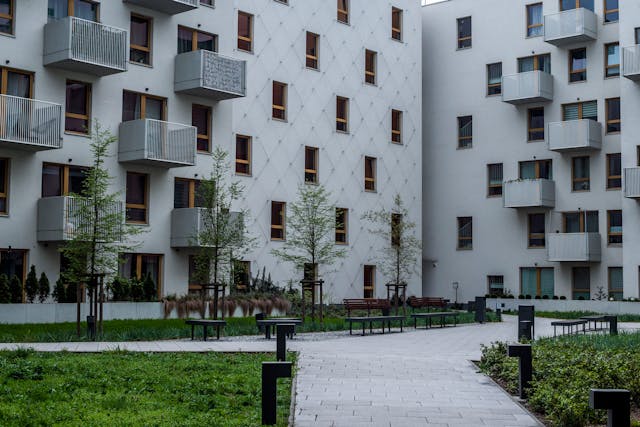
Living in a strata community offers convenience, shared amenities, and collective responsibility, but it also creates a unique environment where conflicts can arise quickly. Many owners assume disputes are rare, yet they are a routine part of strata living across Canada. A strata property lawyer is often consulted when disagreements escalate beyond informal resolution. These conflicts tend to follow familiar patterns, shaped by bylaws, personalities, and the complexities of shared spaces.
Contents
Noise and Lifestyle Disputes
Noise complaints are among the most common sources of tension between neighbors. Whether it is late night music, barking dogs, or early morning renovations, residents often have different expectations about acceptable noise levels. Strata bylaws typically address quiet hours, but enforcement can be inconsistent. Disputes often intensify when one party feels ignored or unfairly targeted, leading to formal complaints and hearings.
Lifestyle differences also contribute to friction. Issues such as smoking, cannabis use, and short term rentals can divide communities. As societal norms evolve, strata corporations must constantly update bylaws, sometimes creating confusion or resistance among owners.
Parking and Property Use Conflicts
Parking is another frequent battleground. Disputes arise over assigned spaces, visitor parking misuse, and unauthorized vehicles. In densely populated buildings, even minor infractions can trigger ongoing disagreements. Limited common property, such as balconies and storage areas, also leads to conflict when owners misunderstand their rights and responsibilities.
These issues often stem from unclear bylaws or poor communication. When expectations are not clearly defined, small inconveniences can grow into larger disputes that require formal intervention.
Pets and Bylaw Enforcement
Pet ownership remains a sensitive topic in many strata communities. While some buildings welcome animals, others impose strict limits or outright bans. Conflicts arise when owners seek exceptions or fail to comply with existing rules. Emotional support animals add another layer of complexity, as legal protections may override certain bylaws.
Enforcement itself can become contentious. Owners may challenge fines or claim selective enforcement, arguing that rules are applied inconsistently. This can erode trust in the strata council and lead to prolonged disputes.
Financial Disagreements and Governance Issues
Money is a major source of conflict in strata living. Special assessments, rising fees, and disagreements over budget decisions often create tension among owners. Some may feel blindsided by large expenses, while others argue that necessary maintenance is being delayed.
Governance issues also play a role. Allegations of mismanagement, lack of transparency, or conflicts of interest within strata councils can lead to serious disputes. When communication breaks down, owners may seek legal remedies to address perceived wrongdoing.
Renovations and Structural Concerns
Renovation disputes are common, especially when changes affect shared structures or neighboring units. Unauthorized alterations can lead to damage, noise complaints, or safety concerns. Even approved renovations may cause conflict if timelines or impacts are not properly managed.
Structural issues such as leaks or defects often result in disagreements over responsibility and cost. Determining whether the strata corporation or an individual owner is liable can be complex, leading to prolonged disputes.
Conclusion
Strata disputes in Canada reflect the challenges of shared living, where individual preferences must coexist with collective rules. While many conflicts can be resolved through communication and clear bylaws, others require formal processes or legal guidance. Understanding the most common sources of disagreement can help owners and councils prevent issues before they escalate. In the end, successful strata communities rely on transparency, consistency, and a willingness to work toward practical solutions that benefit everyone involved.