Determining fault after a car accident in Phoenix is rarely as simple as it seems. Whether the collision happens on I-17, the 202 Red Mountain Freeway, Loop 303, or busy cross streets like Camelback Road, Glendale Avenue, or Bell Road, the question of who caused the crash becomes one of the most critical components of your claim. Insurance companies often fight aggressively to dispute fault, especially when injuries are severe or medical bills are high. Because Arizona uses pure comparative negligence, accurately determining fault is essential to maximizing compensation. This is why many accident victims turn to a Phoenix car crash lawyer to investigate the crash and build a strong liability case.
Phoenix has some of the busiest roadways in the nation. Heavy traffic, frequent construction, extreme heat, distracted drivers, impaired motorists, and sudden monsoon storms all contribute to collisions. When a crash happens, determining who was negligent requires careful analysis, skilled investigation, and an understanding of local laws. A vehicle accident lawyer in Phoenix has the tools, experience, and knowledge to uncover the truth and provide clear, compelling evidence that supports your claim.
Why Fault Matters So Much in Arizona Car Accident Cases
Arizona follows a pure comparative negligence system. This law allows victims to recover financial compensation even if they share some responsibility for the accident. However, your recovery is reduced based on your percentage of fault. For example:
- If you are awarded $100,000 but found 25% at fault, you receive $75,000
Insurance companies use this rule to their advantage by arguing that victims contributed more to the crash than they actually did.
They often claim that you: - Failed to take evasive action
- Were driving slightly over the speed limit
- Were momentarily distracted
- Braked too late
- Did not yield properly
A Phoenix car accident attorney works to counter these claims with evidence, expert analysis, and strong legal arguments.
How Attorneys Conduct Fault Investigations
One of the most essential roles of a Phoenix auto accident lawyer is conducting a thorough investigation. Insurance companies move fast to collect evidence—so your attorney must move faster.
Typical investigative steps include:
- Reviewing police reports
- Photographing the crash scene
- Analyzing vehicle damage
- Collecting witness statements
- Securing traffic-camera or dashcam footage
- Retrieving nearby business surveillance videos
- Assessing weather and lighting conditions
- Checking road construction in the area
A detailed investigation is often the difference between a low settlement and a fair one.
The Importance of the Police Report
The police report plays a significant role in determining liability. Phoenix Police or the Arizona Department of Public Safety typically respond to major collisions and prepare an official report that includes:
- Officer observations
- Vehicle positions
- Witness statements
- Potential traffic violations
- Diagrams of the crash site
- Preliminary fault assessments
While not final proof of liability, the report carries significant weight during settlement negotiations. A Phoenix traffic accident attorney reviews the report in detail to identify favorable information, inconsistencies, or errors that need correction.
Collecting Witness Statements
Witness statements can be robust evidence. Bystanders often see details that drivers miss. Attorneys collect statements from:
- Other motorists
- Pedestrians
- Business employees
- Passengers in vehicles
- Nearby residents
Witness testimony can help clarify: - Whether a driver ran a red light
- If someone was speeding
- If distracted driving was involved
- Vehicle positions before impact
- Lane changes and turning movements
An attorney ensures statements are collected promptly so memories do not fade.
Using Photographs and Video Evidence
Visual evidence is one of the strongest tools available. Attorneys seek photos and videos from multiple sources, including:
- Cell phone footage
- Dashcams
- Traffic cameras
- Home surveillance systems
- Business security cameras
These visuals can show: - Point of impact
- Vehicle speed
- Road hazards
- Weather conditions
- Driver behavior
Because Phoenix is filled with businesses, intersections, and homes that use surveillance systems, some form of video evidence is often available if collected quickly.
Vehicle Damage and Forensic Analysis
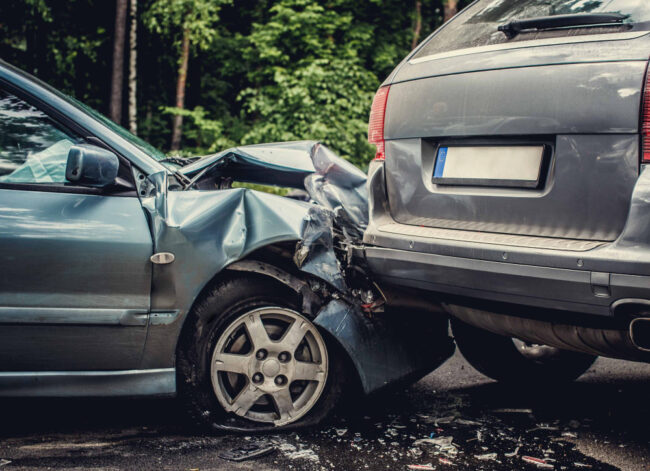
Vehicle damage tells a story. Experienced car crash advocates in Phoenix often work with auto experts to analyze damage patterns. This helps determine:
- Point of impact
- Vehicle direction
- Relative speed
- Force of collision
- Whether mechanical failure contributed
In some cases, your attorney may download vehicle “black box” data to reveal braking patterns, speed, and other details at the moment of impact.
Accident Reconstruction Experts
For complex cases, attorneys may hire accident reconstruction experts who use scientific analysis to recreate the crash. They evaluate:
- Speed of vehicles
- Timing of events
- Impact angle
- Stopping distance
- Reaction times
- Possible driver errors
Their findings can be critical in countering insurance arguments and clarifying who caused the crash.
Common Causes of Phoenix Car Accidents and How They Affect Fault
Many factors contribute to crashes in Phoenix. Understanding the cause is vital to proving who is responsible.
Distracted Driving
This is one of the leading causes of collisions. Distractions include:
- Texting
- Eating or drinking
- Using GPS
- Talking on the phone
- Adjusting controls
If a distracted driver causes a crash, fault is typically apparent. A Phoenix accident attorney may subpoena phone records to prove distraction.
Speeding
Phoenix freeways are notorious for drivers exceeding speed limits. Speeding increases the stopping distance and the severity of injuries in accidents.
Evidence of speeding may include:
- Skid marks
- Black box data
- Witness statements
- Video footage
Speeding is a significant factor in head-on collisions and T-bone crashes.
Running Red Lights or Stop Signs
Certain intersections in Phoenix—like those along Indian School Road and Thomas Road—are known for red-light violations. Evidence may include:
- Intersection camera footage
- Witness reports
- Police citations
Drunk or Drug-Impaired Driving
DUI crashes remain a significant cause of serious injuries in Phoenix.
Evidence may include:
- Breathalyzer results
- Blood tests
- Police officer observations
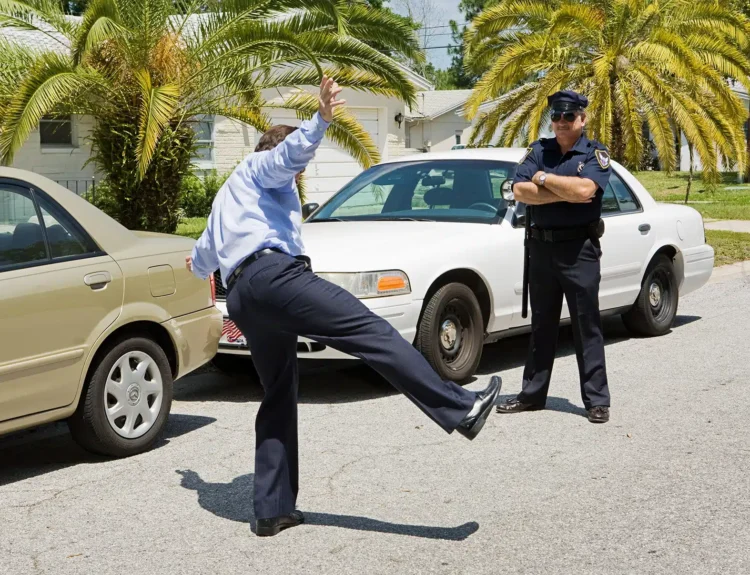
- Field sobriety tests
- Bar or restaurant surveillance footage
Aggressive or Reckless Driving
Aggressive drivers often cause:
- Rear-end crashes
- Sideswipe collisions
- Road rage incidents
Fault is typically easier to prove when reckless behavior is involved.
Poor Weather Conditions
Monsoon storms can cause:
- Low visibility
- Hydroplaning
- Sudden lane departures
Although the weather contributes, drivers are still responsible for taking caution in dangerous conditions.
Why Medical Evidence Matters for Proving Fault
Medical records not only show the severity of injuries but also help indicate:
- Direction of force
- Speed at impact
- Seatbelt usage
- Type of collision
For example, the pattern of injuries can indicate whether the impact was frontal, rear-end, or side-impact. A Phoenix injury attorney works with medical experts to connect injuries to the mechanics of the crash.
How Attorneys Challenge Insurance Company Fault Claims
Insurance companies often attempt to shift blame by arguing that:
- The victim could have avoided the crash
- Injuries are inconsistent with the collision
- The victim contributed to the impact severity
- Another driver was more responsible
A skilled attorney challenges these claims by presenting: - Expert testimony
- Police report findings
- Witness statements
- Visual evidence
- Crash reconstruction analysis
- Medical documentation
Strong evidence forces insurers to reconsider their assessments and negotiate fairly.
Proving Fault in Multi-Vehicle Crashes
Phoenix highways frequently see multi-car collisions. These are the most complex cases because multiple drivers may share responsibility.
An attorney helps determine:
- Who made the first impact
- Which driver triggered the chain reaction
- Whether a commercial vehicle contributed
- The role of speed or impairment
- Whether road hazards played a part
These cases require meticulous investigation and often involve multiple insurance companies.
How Fault Affects Compensation
Accurately proving fault is essential because it determines how much compensation you receive. A strong liability case can increase compensation for:
- Medical costs
- Future treatment
- Lost wages
- Reduced earning capacity
- Pain and suffering
- Emotional distress
- Long-term disability
- Property damage
Insurance companies pay closer attention when attorneys present organized, undeniable evidence of fault.
When you are injured in a Phoenix car accident, proving fault is one of the most critical steps in securing compensation. Insurance companies will attempt to shift blame or minimize your injuries, but a skilled Phoenix car accident attorney uses evidence, expert analysis, and local knowledge to build a robust case. With the right legal advocate, you have someone who understands Arizona’s laws, knows how to gather critical evidence, and fights to protect your rights at every stage. In a city with traffic as heavy and fast-moving as Phoenix, having an experienced attorney on your side ensures you are not unfairly blamed and gives you the best chance at full financial recovery.